Journal
Why Every Outpost Needs a Quiet Room
Downtime as design—not a leftover corner behind the storage bins.
12 March 2026 · Outpost Editorial
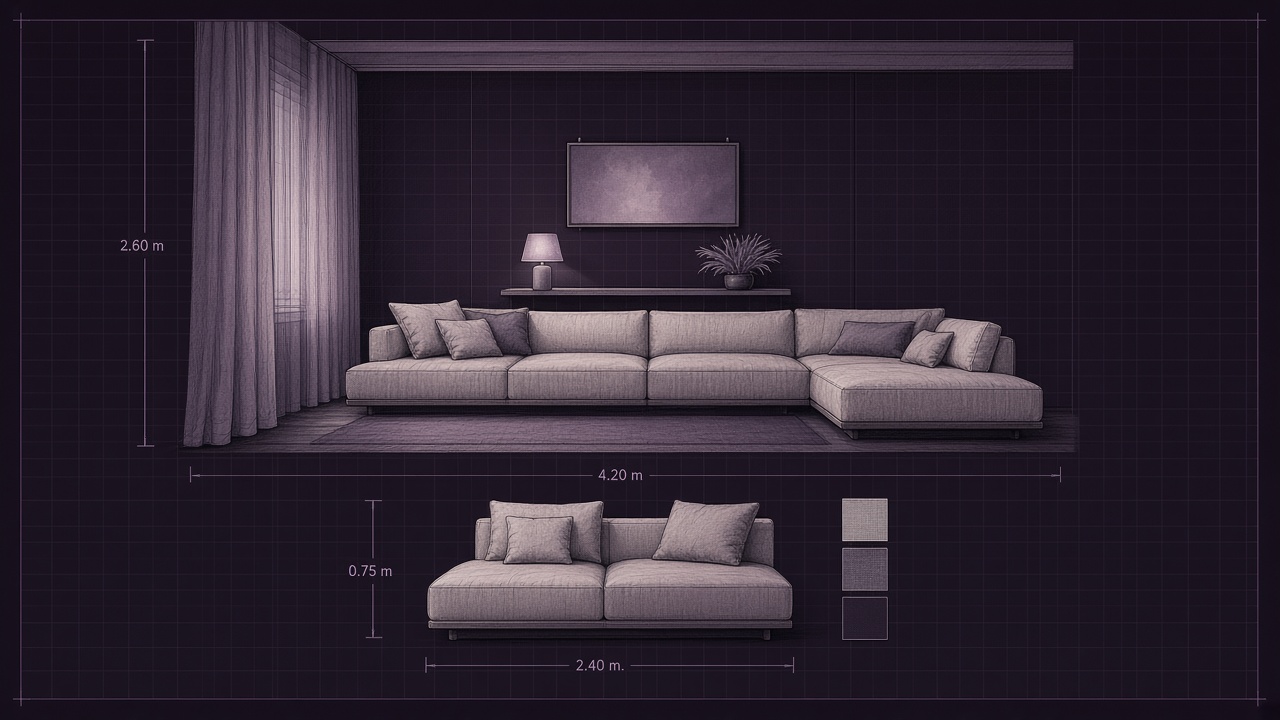
Shared habitats are honest places. You hear the kettle. You hear someone else’s boots. You hear the soft chime of Habitat Terminal Soft even when the call is not for you. That honesty is part of living together on a ridge or in a small Colony footprint—but without a Quiet Room, honesty turns into fatigue.
At XYZ Industries we treat Downtime as a first-class category in every Outpost Kit. Scout gets a mini quiet nook. Ridge and Colony get a Quiet Room Insert as architecture, not apology.
The problem with “later”
Teams under time pressure always plan to add rest space later. Later becomes never. Storage expands. Play migrates into the only soft corner. Signal calls happen on the main sofa because the Shared Call Seat was never placed. Sleep walls thin out emotionally even when the panels are fine.
A Quiet Room Insert reverses that drift. Acoustic-soft panels, a soft-close door habit, and a seating footprint sized for one or two people tell the crew: rest is allowed here on purpose. You do not have to perform relaxation in the middle of the dome.
What happens in a quiet room
Not silence as a rule—silence as an option. People read. People stretch on a Stretch Mat Soft. People sit with the Tea & Warmth Tray after it migrates from Life Stack. People write a delayed note for the Message Queue Tray before they walk to Terminal Soft.
Colony kits often need more than one quiet pocket because schedules overlap. Ridge usually needs one good room more than three mediocre corners. Scout can survive with a soft partition and a Warm Lamp Node, but even Scout crews notice the difference when a survey stretches and the nook becomes the only private air in the habitat.
Design choices that keep it gentle
We avoid control-room aesthetics. Warm Lamp Node defaults beat cool task glare. Reading Shelf Slim holds a book and one device without becoming a wall of screens. Evening Tray Dock gives the tea tray a home so cups do not colonize every flat surface.
Play stays adjacent but separate. Soft Ring Set and Story Night Pack belong one soft partition away. The Quiet Room is not anti-joy; it is anti-spill. When play and sleep share the same acoustic volume every night, morale dips in ways that look like “people problems” and are often layout problems.
Shelter Light Rail Soft can dim the main volume while the quiet lamp stays on. That single preset does more for crew kindness than another motivational poster ever will.
Pairing Quiet Room with Signal and Kitchen
Signal etiquette improves when calls have a seat. Shared Call Seat near Terminal Soft keeps voice windows from owning the Low Settle Sofa. Kitchen routines improve when the Quiet Room is ready before dinner ends—so the migration of tea feels like a path, not a hunt.
Airlock Ring & Storm Shell do not create quiet by themselves, but they help: a clear threshold and a weather-ready skin reduce the sense that the whole habitat is “edge.” Interior calm is easier when exterior edges are settled.
How to configure for quiet
On /configure/ridge, leave Quiet Room Insert checked unless you have a strong reason not to. On /configure/colony, choose two or three quiet pockets if shifts overlap. On /configure/scout, be honest about duration; if the stay grows, plan the upgrade path toward Ridge’s insert rather than improvising with storage blankets.
Ship notes stage Quiet Room Insert as its own soft crate for a reason—open it before you decorate the main sofa. The room teaches the house how to behave.
Every outpost needs a quiet room because people are not modular only in the catalog sense. They are modular in energy. Give that energy a door.
Fictional demo company · Not a real business
Fictional demo company · Not a real business